
Remote Agile Project Management: Succeeding in Dynamic and Remote Workspaces

In an ever-evolving work landscape, where flexibility, adaptability, and collaboration reign supreme, remote Agile project management emerges as a beacon of efficiency and innovation. The synergy between Agile methodologies and remote working spaces has transformed the way remote teams collaborate, adapt to change, and deliver projects amidst diverse challenges. Let’s embark on a journey into the realm of remote Agile project management, exploring its nuances, benefits, and strategies for success in dynamic and dispersed work environments.
The Essence of Remote Agile Project Management
At its core, remote Agile project management revolves around two central ideas – agility and virtual collaboration. The Agile philosophy of adaptability, iterative development, customer-centricity, and continuous improvement aligns perfectly with the demands of remote workspaces. By leveraging technology and fostering a culture of self-organizing teams, remote Agile project management empowers businesses to respond quickly to change while maintaining high levels of productivity and quality.
Why Most Companies Are Embracing Remote Agile Project Management
 The appeal of remote Agile project management goes beyond its buzzword status. In fact, several factors contribute to the growing adoption of this methodology among businesses worldwide. Firstly, it allows organizations to tap into top talent from across the globe, eliminating geographical barriers and expanding their talent pool exponentially. Moreover, remote workspaces facilitate cost savings in terms of infrastructure, office space, and employee benefits. Finally, the flexibility and autonomy offered by remote workspaces enable teams to strike a healthy work-life balance, resulting in higher job satisfaction and lower attrition rates.
Overcoming Challenges in Remote Agile Environments
Despite its manifold benefits, remote Agile project management presents unique challenges to teams and organizations. The lack of face-to-face interactions can lead to communication gaps, misunderstandings, and delays in decision-making. Moreover, managing time zone differences, cultural diversity, and cross-functional collaboration requires a robust set of tools, processes, and virtual team-building strategies. When implemented effectively, these tactics can bridge the gap between remote teams and foster a sense of camaraderie and accountability.
Leveraging Technology for Efficient Remote Agile Management

The success of remote Agile project management hinges on the effective use of technology and virtual collaboration tools. From project management software like Jira, Asana, or Trello to communication tools like Slack, Zoom, or Microsoft Teams, technology plays a pivotal role in fostering seamless communication, transparency, and coordination among remote teams. Additionally, virtual whiteboards and agile project management templates enable teams to visualize project progress, track tasks and goals in real time, and facilitate effective collaboration.
Remote Agile project management is not merely a trend but a paradigm shift. A fusion of agility and remote work dynamics that empowers teams to thrive in a rapidly changing world. By embracing the principles of Agile methodologies and leveraging the collaborative potential of remote workspaces, organizations can navigate uncertainties, deliver value iteratively, and achieve success in the dynamic landscape of modern work environments.…
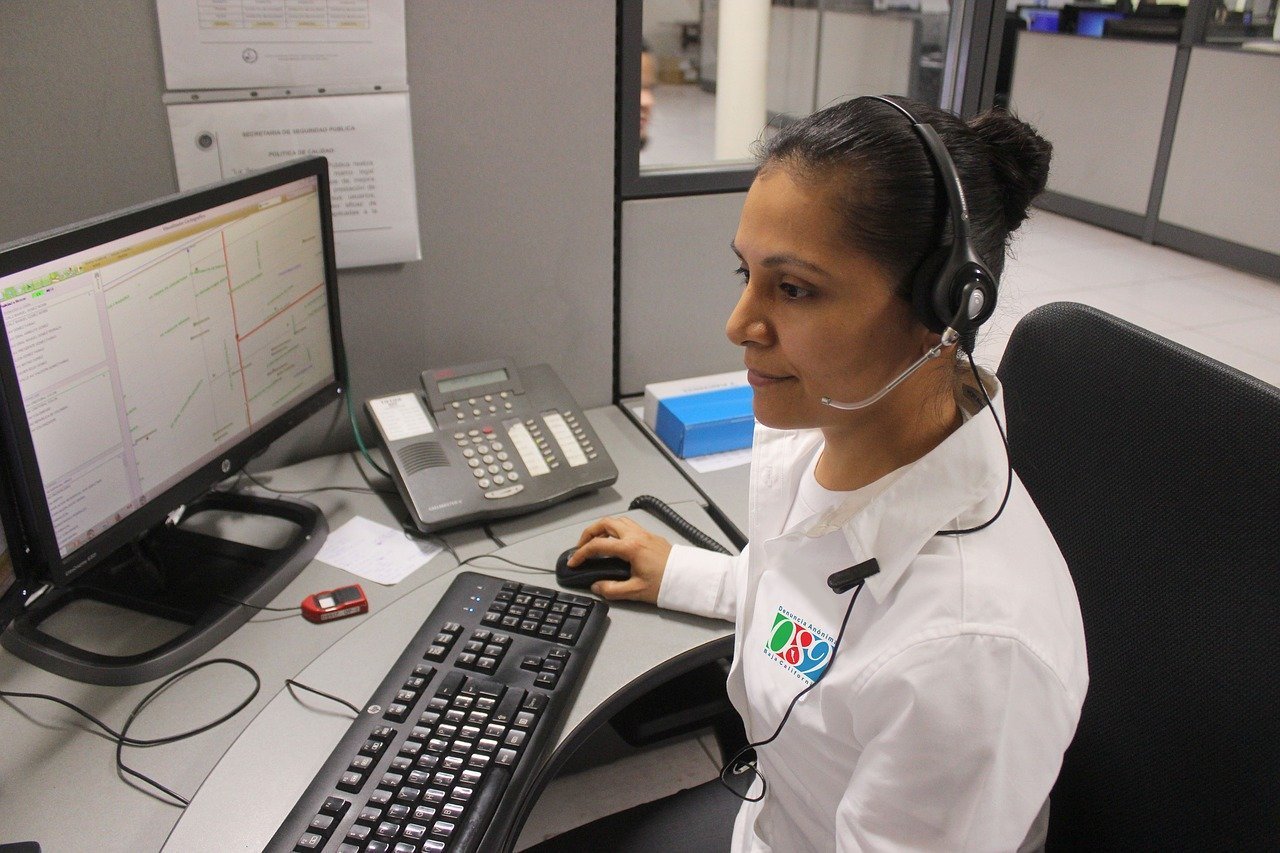
 They want to figure out how to build a successful crisis program. Could it be a flood, a power outage, or a tornado? Understanding is crucial because it provides you with a roadmap and can help you work out the ideal procedure for preparation. Please check with our mail-in this section, and you will find an overview of the development of a risk assessment. Use it to determine, and it should be noted that events.
 Having your contact details makes it more comfortable once you need to get in touch with a loved one or friend. Create a backup and archive it. This backup will provide your family with emergency equipment and your emergency plan. Put the emergency strategy and your contact information on your emergency kit. Please do not refuse the functionality of an emergency bag.