
Turning a Hobby Into an Investment: Classic Cars Restoration and Collection
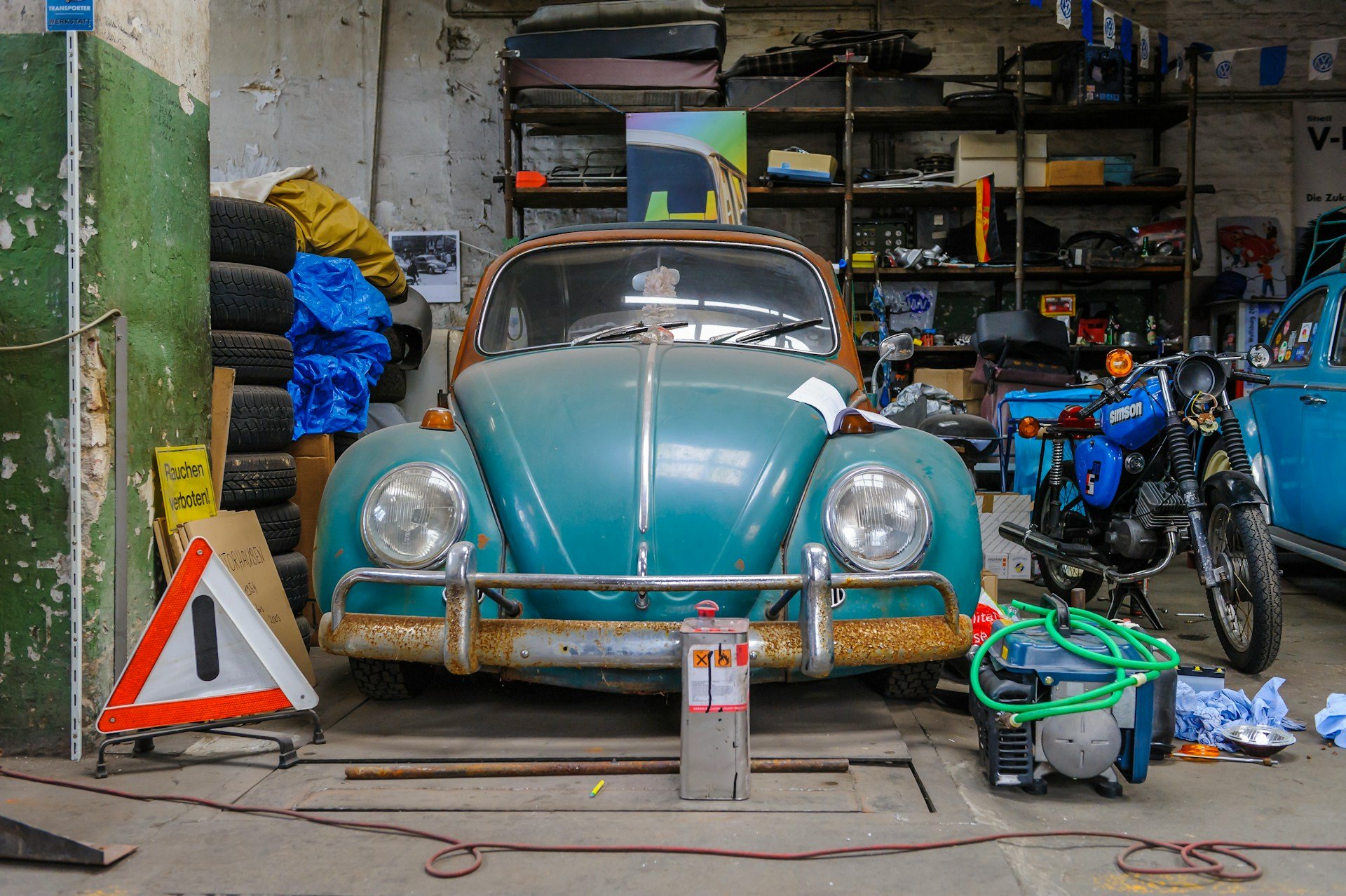
At first, it’s just a project car sitting in your garage. Then you start tracking auction results and market trends like a stockbroker with grease under his nails. That shift is where passion meets strategy, and even figures like Alex Manos car collector, prove the two can coexist. The idea isn’t a fantasy. It’s calculated enthusiasm with horsepower attached. So how do you turn busted knuckles into long-term value?
Buy With Strategy, Not Emotion
Enthusiasm is powerful. It can also empty your wallet fast. Smart collectors study production numbers, historical relevance, and demand cycles. They look at documentation and originality before paint shine. Rarity alone doesn’t guarantee appreciation. Proven desirability does. Condition matters more than hype. A clean, numbers-matching example will always attract stronger offers. Buying right sets the foundation for everything that follows. Impulse buying feels thrilling. Strategic buying feels profitable. The smartest collectors treat every purchase like due diligence, not a late-night bidding war.
Restore With Purpose

Restoration is not a guessing game. It’s a plan. You need to decide early: factory-correct or tasteful upgrades? Both paths can work, but mixing them randomly usually hurts value. Consistency wins. Parts quality changes everything. Cutting corners today creates regret tomorrow. Labor standards matter too, because buyers inspect details closely. A well-documented build with photos and receipts adds confidence for future resale. Transparency builds trust in the market. Clear direction during restoration protects long-term value and prevents expensive backtracking.
Understand Market Timing
Car values move in cycles. They rise, plateau, and sometimes cool off. Pay attention to trends without chasing them blindly. Air-cooled models had their moment. Analog supercars had theirs. Patterns repeat with different badges. Selling during peak demand can multiply returns. Holding through soft periods requires patience and liquidity. Timing isn’t luck. It’s awareness backed by research. Watch auctions. Monitor private sales. Knowledge reduces costly surprises. Reading demand shifts early can separate strong returns from stagnant garage ornaments.
Build a Cohesive Collection

Random purchases create clutter. A focused collection builds identity. Some collectors stick to a specific era. Others chase a single brand. That cohesion makes the group more appealing if sold as a package. Storage and maintenance protect value. Climate control isn’t glamorous, but it prevents deterioration. Regular mechanical exercise keeps components healthy. A thoughtful lineup tells a story. Buyers connect with stories. A defined theme makes your lineup easier to market and harder to ignore.
Balance Passion and Practicality
This is still a hobby. If you hate the car, numbers won’t save the experience. Drive them. Maintain them. Stay engaged with the community. Passion fuels patience during slower market phases. At the same time, track expenses. Restoration costs add up quickly. Labor, paintwork, sourcing rare parts, it’s all real money. Profit doesn’t happen by accident. It happens when enthusiasm meets discipline. Sustainable investing in cars works best when excitement is backed by cold, honest math.
In the end, turning a hobby into an investment requires clarity. Buy smart. Restore with intention. Monitor the market. Curate thoughtfully. Stay realistic about costs. If you approach it with both heart and strategy, your garage can become more than a playground. It can become a portfolio with extensive notes.